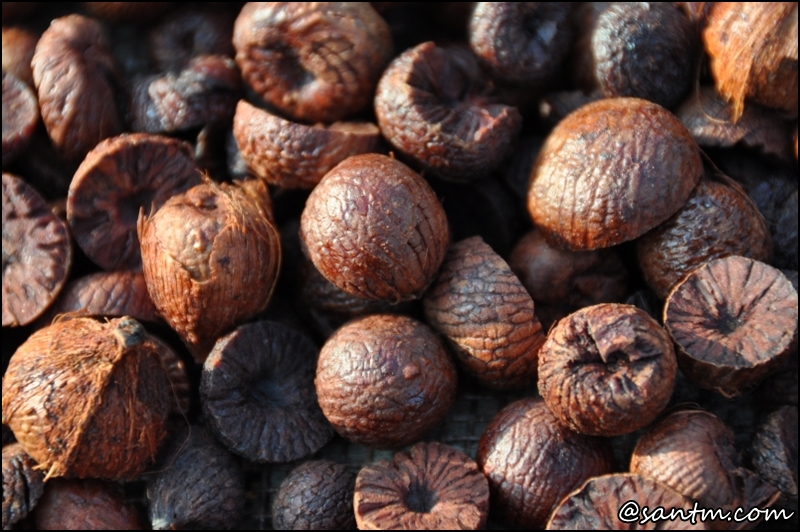
Areca nut, typically called Areca seed, acts as the nut of the Areca catechu tree and bears an essential part in the custom and market of various Asian countries. The kernel is chewed for its exhilarating effects, especially when mixed with paan (a mixture of betel leaves and lime paste) or chewing tobacco. The nation of Indonesia, as one of the top growers of Areca nuts, has grown into a key player in the global supply chain for this product.
Throughout the Indonesian archipelago, consuming Areca nut, identified as “sirih pinang,” holds a rich history. It regularly used in rituals, group assemblies, and medical treatments. Within provincial areas, especially in Sumatra, the island of Kalimantan, and Sulawesi, the practice of chewing betel seed remains deeply ingrained. The kernel bears social and cultural significance, typically serving as a mark of generosity or integrated in conventional events, for example matrimonial events.
Economically, the farming of betel nut suppliers in Indonesia offers employment for a significant number of subsistence farmers, especially in regions such as Aceh, the province of West Sumatra, and North Sulawesi. For these communities, betel seed acts as a vital income-generating crop, enhancing their earnings and playing a essential position in local economies.
Indonesia’s warm, tropical conditions, nutrient-dense soil, and extensive coastlines create the best ecosystem for betel palm trees to thrive. The cultivation process is uncomplicated and demands manual work, consisting of the planting of young palms, nurturing palm trees, and harvesting the nuts after approximately five years. After they are harvested, the betel seeds are usually dried, heat-treated, or cured, in line with the local customs and the market demand.
Indonesia’s betel nut sector maintains a multifaceted distribution network, involving local farmers, regional merchants, middlemen, and international trading firms. In certain instances, Areca nuts can be sold unprocessed, but usually, they go through drying to ensure a longer shelf life and to meet the preferences of foreign consumers.
Global market demand for Areca nut, notably in countries for instance India, the nation of Pakistan, the island of Taiwan, and other regions in Southeast Asia, continues to rise in recent years. betel seed is highly sought after in those nations, where using betel continues to be a longstanding custom, although there is the heightened understanding of its possible health hazards. India in particular is the top importer of Areca nuts from Indonesia. The nuts are processed in several variations, such as intact nuts, cut nuts, or in a powdered state, depending on the regional preferences. The use of betel nut in preparing traditional paan remains widespread in the Indian subcontinent, and Indonesian betel nut is frequently chosen for its quality and consistent supply.
Taiwan represents another increasing market for Indonesian betel nuts, where the habit of chewing Areca nut is common, particularly among individuals in remote regions. Taiwanese buyers prefer betel nuts from Indonesia on account of their more affordable prices in contrast to local production. Despite the high earning potential of the betel nut business, Indonesian suppliers face several challenges in growing their market reach and optimizing their supply systems.
Over the past few years, healthcare studies have connected frequent use of betel nuts with mouth cancers and additional health concerns, raising worries about its safety profile. This has prompted some regions adopting more stringent regulations or in some cases bans on the sale and ingestion of betel nut items. For illustration, Taiwanese authorities has introduced measures to reduce the consumption of betel nuts due to the surge in oral cancer cases. Producers in Indonesia, therefore, face the obstacle of navigating these laws while maintaining their overseas markets.
Though the Indonesian betel nut industry is broad, it lacks consistent quality control standards and standardization processes. This can create disparities in product quality, which affects its international reputation. Some suppliers have initiated embracing more stringent sorting, grading, and packaging techniques to guarantee steadiness, but the industry as a whole still has room for improvement.
Similar to many crops, betel nut cultivation brings up concerns about forest destruction and environmental decline. In some regions, Areca plantations have expanded into formerly tree-rich areas, leading to a decline in biodiversity and interruption of habitats. Resolving these sustainability issues is imperative for the enduring health of the market.
Indonesia is by no means the sole country producing betel seed. Other Southeast Asian states, such as Thailand, Burma, and the island nation of Sri Lanka, in addition have flourishing betel nut industries. Indonesian suppliers must maintain competitiveness by providing premium products, streamlined supply chains, and favorable pricing to preserve their portion of the international market.
Despite the hurdles, the forward-looking view remains bright for the betel nut sector in Indonesia. The world market for betel seed is projected to stay robust due to the deeply ingrained traditions of buyers in important markets. While countries like the country of India and the island of Taiwan persist to require high-quality Areca nuts, Indonesian producers are optimally situated to satisfy this demand.
To ensure sustained growth, Indonesian Areca nut manufacturers are focusing on innovating their manufacturing processes, improving standards of quality, and venturing into different markets. Some firms are investing in modern technologies and framework to streamline their workflows and increase productivity. Additionally, there is growing interest in sustainably produced and ethically sourced products, which could create additional possibilities for manufacturers in Indonesia ready to embrace green practices.
The Indonesian Areca nut industry is a important contributor to both the domestic and global economy. It offers livelihoods to thousands independent farmers and fulfills the needs of overseas markets, particularly in India and the island of Taiwan. However, obstacles such as health concerns, government regulations, and rivalry in the market must be resolved for the industry to succeed in the future. By concentrating on sustainability, quality assurance, and innovation, Indonesian Areca nut manufacturers can persist to play a essential role in the worldwide supply chain.
 Angela